URGENT CARE | Sick Pet Exams
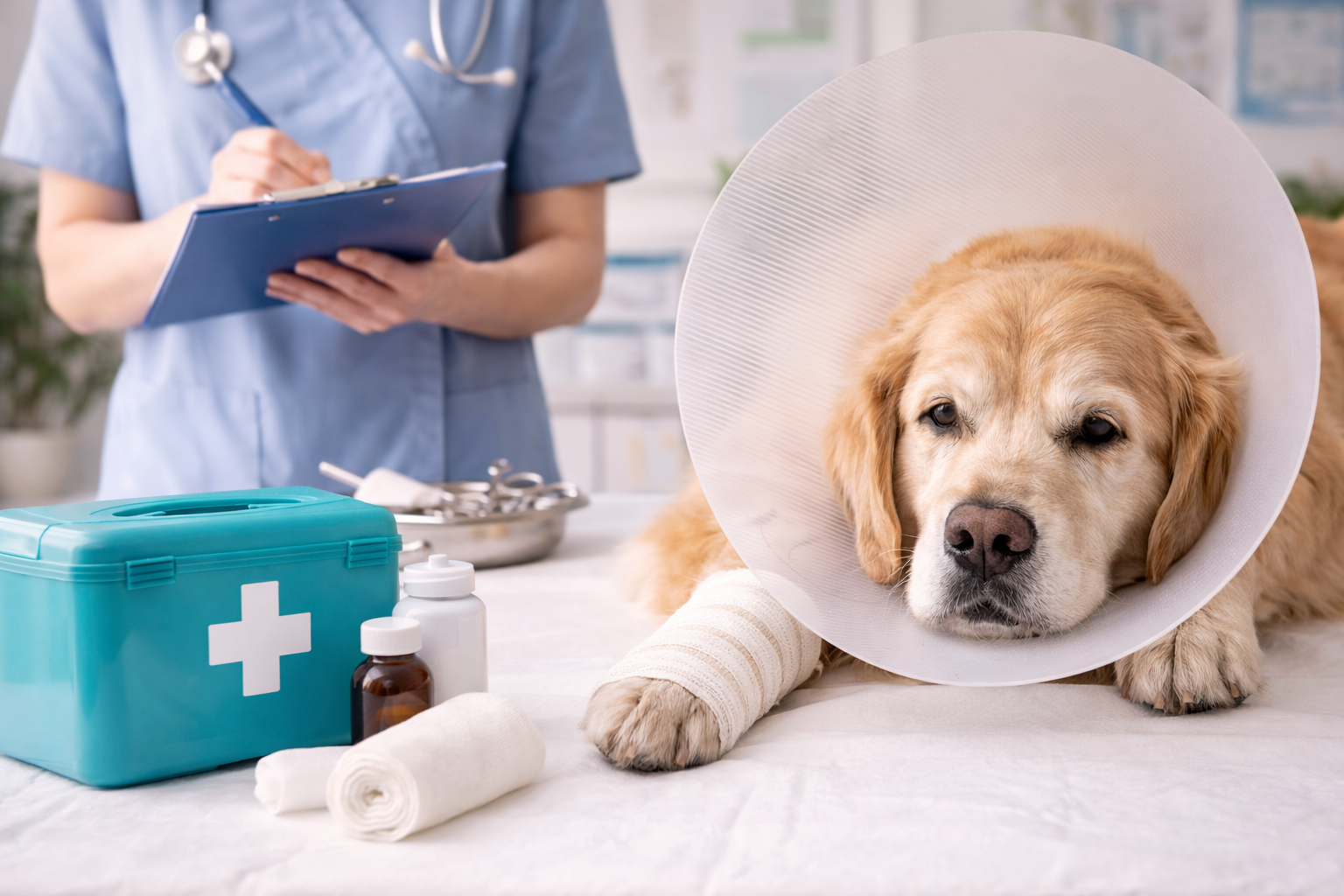
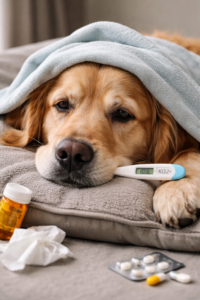
There are times when our pets just don’t seem themselves and it can be difficult to discover why. A sick pet veterinary exam involves a comprehensive physical assessment, including vital signs, eyes, ears, and skin, to identify the cause of illness. After the exam, the veterinarian will discuss potential diagnoses, recommend diagnostic tests like bloodwork or X-rays, and create a treatment plan, explaining all options and costs beforehand.
Signs that indicate a sick pet exam is needed:
- Lethargy or unusual tiredness
- Persistent vomiting or diarrhea
- Excessive thirst or urination
- Coughing or sneezing
- Unexplained fur loss
- Discharge from the eyes, ears, or nose
- Pain when a limb is touched
- Sudden loss of appetite
Wellness Exams
Preventative care is your pet’s first line of defense. Annual wellness exams evaluate your pet’s overall health, detect problems before they become serious, and keep them on track to live a long, healthy life. Treatments are more successful when diseases are caught early, so your pet stays healthier and happier.
These exams include a head-to-tail physical examination, a discussion about diet and lifestyle, and may involve vaccinations, parasite screening, and diagnostic tests like bloodwork. You’ll also be able to ask the veterinarian any questions you have about your pet!
Senior Wellness Exams
As pets get older they are prone to many age-related diseases that are increasingly difficult to diagnose and treat. Our veterinary clinic recommends semi-annual pet wellness exams for senior pets and pets who have chronic medical conditions.
WALK-IN Technician Visits
When your pet needs veterinary services that do not require the attention of a veterinarian:
- Routine Care: Nail trims, ear cleanings, medical grooming and weight checks.
- Preventive Care: Vaccinations, heartowrm tests, microchipping
- Medical Procedures: Blood draws, urine collection, anal gland expression
- Medication/Treatments: Administering prescribed inkjections or fluids, wound checks,bandage changes
- Surgical Follow-up: Monitor your pet’s recovery, check the incision, remove sutures, provide guidance on at-home care.
- Consultations: New puppy/kitten consultations or follow-up training for things like giving medications at home
MON-FRI 9-5