LAB SERVICES
While our pets can’t tell us when something is wrong, we can use scientific testing and veterinary experience to discover underlying diseases and disorders.
Blood Work is a particularly useful tool that can tell us valuable information about your pet’s red blood cells, immune system, digestive tract, circulatory system and internal organ function.
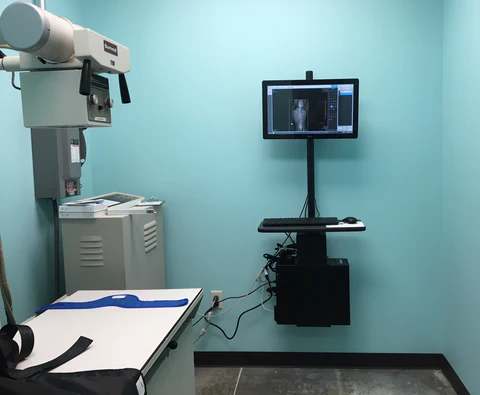
Digital Radiography (X-rays) can detect abnormalities like skeletal fractures, soft tissue damage, foreign bodies, and dental disease. Some radiographs require the patient remain completely still, so sedation may be necessary.
Heartworm Testing Annual testing is recommended for dogs, even those on preventive medication, as it can detect infections early for better treatment outcomes. Heartworms are transmitted when an infected mosquito bites your pet. Heartworms are parasites that live in the heart and its surrounding blood vessels. The adult heartworm produces offspring called microfilariae, which circulate in the pet’s blood. Unrecognized and untreated heartworm infections can be fatal.
Fecal Exams / Parasite Prevention Fecal exams are a standard part of a pet’s routine check-up and help veterinarians monitor your pet’s general health. Giardia, roundworms, hookworms, whipworms, tapeworms, and coccidia are some of the gastrointestinal parasites that commonly infest pets.
External parasites such as fleas and ticks can be very damaging to your pet’s health. Preventive measures should be taken year-round to inhibit potential outbreaks.
PRESCRIPTIONS / PHARMACY
https://animartveterinaryclinic.covetruspharmacy.com/